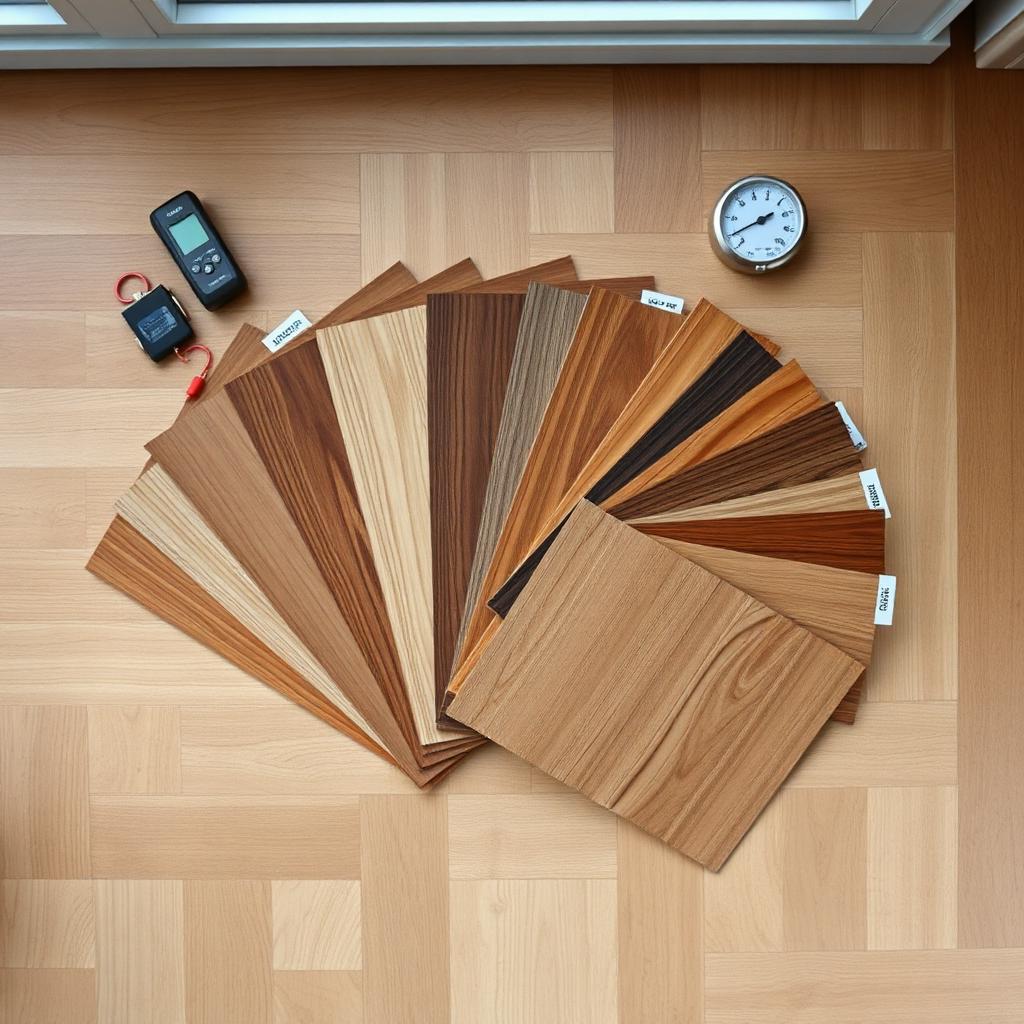
Every flooring material behaves a little differently once it's living in a Colorado house. At 5,500 to 6,200 feet of elevation, with a dry climate, wide day-to-night temperature swings, and bone-dry indoor air every winter, the South Denver Metro asks more of a floor than a lot of other places do. Here's how each major material we install handles it - and where each one shines from Lone Tree to Denver.
Why Denver's Climate Is Different
Colorado's Front Range is semi-arid, and altitude only amplifies it - indoor relative humidity can swing hard between a humid summer thunderstorm week and a bone-dry January with the furnace running around the clock. Wood is hygroscopic, meaning it absorbs and releases moisture with the air around it. When that air dries out fast every winter, wood flooring shrinks; when humidity climbs in summer, it swells. The result, if a floor wasn't chosen or installed with this in mind, is gapping between boards in winter and occasional cupping in summer.
Solid Hardwood: Beautiful, But It Needs Acclimation
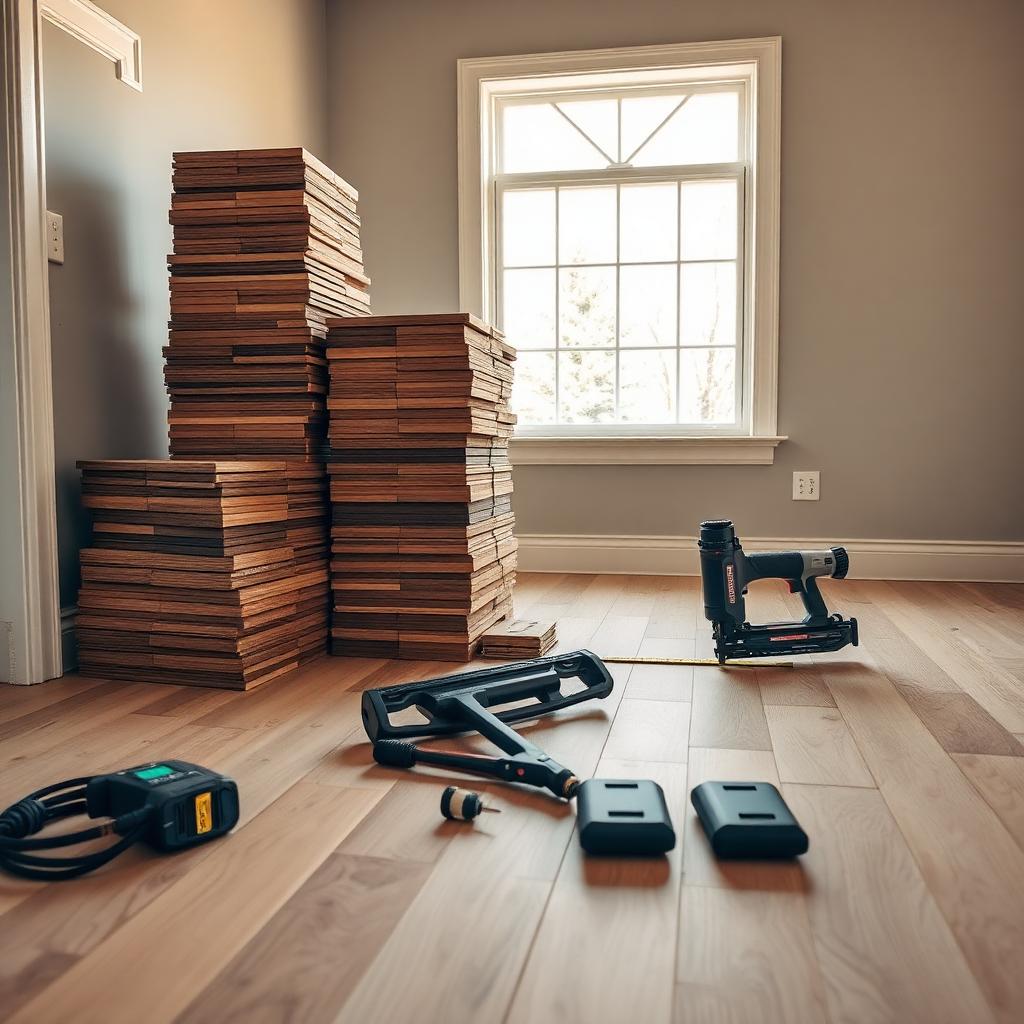
Solid hardwood is still a fantastic choice for South Denver Metro homes - it's the material buyers ask for and it can be refinished for decades. The catch is that it needs to acclimate to your home's actual indoor humidity before installation, and ideally you're running a humidifier in the driest winter months to keep swings in a reasonable range. Skipping acclimation is the single most common cause of gapping complaints we see in this climate.
Engineered Hardwood: More Stability for Front Range Homes
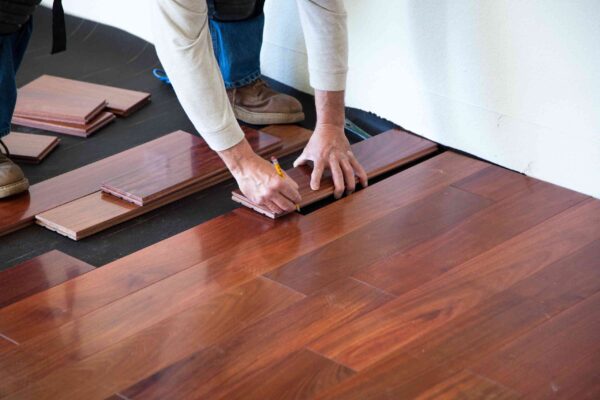
Engineered hardwood uses a real hardwood wear layer bonded over a cross-layered plywood core, which resists the expansion and contraction that solid wood is prone to. For homes here - especially over concrete slabs, in basements, or in newer Highlands Ranch and Parker builds where indoor humidity control varies room to room - engineered often gives you the real-wood look with meaningfully less seasonal movement.
Luxury Vinyl Plank: The Most Forgiving Option
If dry-climate stability is your top priority, luxury vinyl plank is hard to beat. It's dimensionally stable across humidity swings, fully waterproof, and shrugs off the dry winter air that stresses wood products. It's become our most-requested material for kitchens, basements, and households with kids or pets precisely because it doesn't care what the furnace is doing.
Refinishing: The Underrated Front Range Upgrade
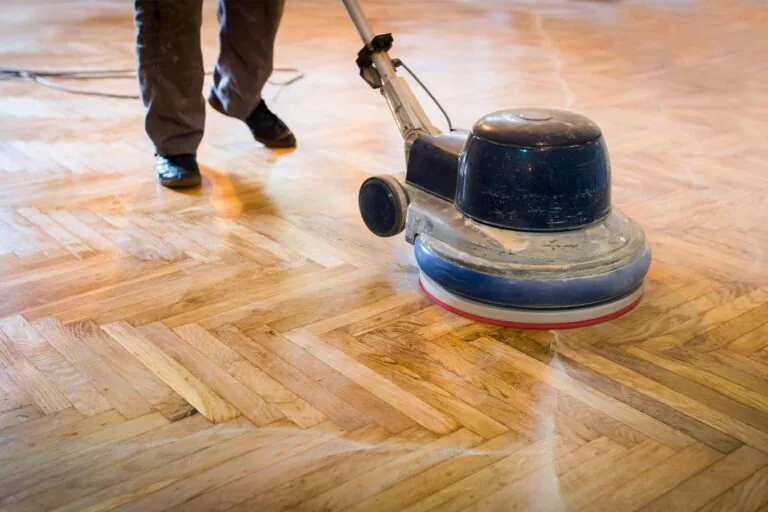
In established Denver, Englewood, Lakewood, and Arvada neighborhoods, the best-value floor upgrade is often already in place - just tired. Hardwood refinishing resets a solid-wood floor to like-new for a fraction of a full replacement, and it lets us close winter gaps and rework the finish before another season of dry indoor heat does more damage.
Laminate: Budget-Friendly, But the Least Forgiving
Laminate flooring delivers a wood or stone look at an approachable price, and it performs well in drier, temperature-stable rooms. It's more sensitive to extreme humidity swings than LVP, though, so we typically steer it toward bedrooms and living areas rather than basements or spaces with big seasonal temperature shifts.
| Material | Handles Dry Climate Swings | Best Rooms Here |
|---|---|---|
| Solid Hardwood | Good, with acclimation | Living rooms, dining rooms, primary bedrooms |
| Engineered Hardwood | Very good | Any level, including over slab or basements |
| Luxury Vinyl Plank | Excellent | Kitchens, basements, high-traffic areas |
| Refinished Hardwood | Good, with acclimation | Restores original floors in older homes |
| Laminate | Fair | Bedrooms, low-swing living spaces |
Newer Communities vs. Established Neighborhoods
Lone Tree, Highlands Ranch, Parker, and Castle Rock are largely built out from the 1990s through the 2010s, often with engineered slab or basement construction and more consistent modern HVAC. Denver, Englewood, Lakewood, and Arvada carry more older, established housing stock, sometimes with original hardwood already in place and different subfloor conditions. Either way, the right material - and the right prep underneath it - depends on your specific home, not just the neighborhood it's in.
Not sure which material fits your home?
Get a free in-home estimateGet a Local Recommendation
We bring samples of every material to your home, measure your rooms, and give you a straight recommendation based on how your specific space behaves - not a generic sales pitch. Reach us at (720) 792-5533 or request your free estimate online.